

Choosing a Specialist-Led Dentist in Marylebone
Marylebone has no shortage of dental practices, particularly given its position within London’s Harley Street medical district. With that much choice, it’s worth knowing what actually separates one practice from another, beyond proximity or a polished website.
Start With What You Actually Need
Routine dentistry, check-ups, hygiene visits, and basic preventative care cover most of what most people need most of the time, and any well-run general practice handles this well. The more useful question is what happens if something more complex comes up: a failing crown, a missing tooth, a full smile that needs comprehensive work. Does the practice handle that in-house, or does it mean a referral elsewhere?
What “Specialist-Led” Actually Means
Specialist status in dentistry isn’t a marketing flourish; it’s a formal GDC designation, backed by years of additional accredited training beyond a standard dental degree. Prosthodontics, for example, is one of just thirteen recognised specialities, focused specifically on replacing and restoring missing or damaged teeth, crowns, bridges, dentures, and implants.
A practice led by a registered specialist means complex restorative cases, the kind that might otherwise need referring to a specialist elsewhere, can be handled directly, by someone with that exact additional training, without an extra referral step or a second relationship to build from scratch.
It’s a detail worth checking directly. The GDC’s register is public, and anyone can look up a dentist’s name or GDC number to confirm their registered specialities before committing to treatment anywhere.
Communication That Actually Lands
A good dentist explains findings and options clearly, not just clinically accurately. This matters more for complex restorative decisions than routine ones: understanding why a particular approach is recommended, and what the realistic alternatives are, builds the confidence to ask follow-up questions rather than simply nodding along.
What Reviews Actually Tell You
Online reviews are a reasonable starting point, read as a pattern rather than individual data points. Consistent comments about clinical care, communication, and how complex cases were handled tell you far more than a single isolated review in either direction.
Practical Fit in Central London
A few practical questions are worth running through, even in a well-connected area like Marylebone:
- Is the practice easy to get to from where you’ll actually be travelling from regularly?
- Do appointment times realistically fit around a busy schedule?
- Is there continuity, the same dentist seeing you at each visit, rather than a different face every time?
Membership Bodies Worth Knowing About
Affiliation with recognised professional bodies, such as the British Dental Association, the British Society of Restorative Dentistry, or the British Society of Cosmetic Dentistry, is a reasonable additional signal of a practice’s engagement with ongoing standards and professional development, alongside individual clinician credentials.
Worth a Direct Conversation First
A phone call or a first consultation tends to clarify more than any website. It’s a fair way to ask directly about technology, credentials, and approach, and to get a genuine feel for whether the practice’s standard of care matches what’s being claimed. You can call 19 Wimpole St Dental on 020 7580 2720
Specialist-Led Care at 19 Wimpole Street
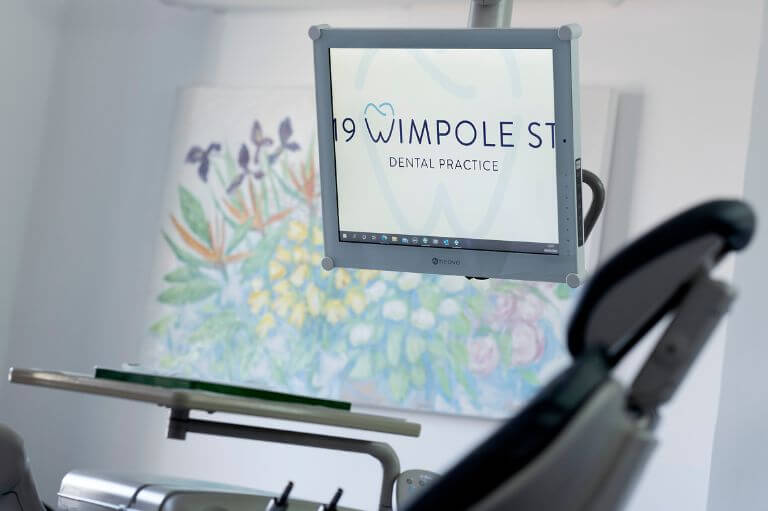
19 Wimpole Street Dental Practice, based in the heart of Marylebone, is led by Dr Ramon Badalbit (GDC: 70207), a GDC-registered Prosthodontics Specialist with over 30 years of clinical experience. That means routine and complex restorative care alike are handled under the same specialist oversight, in a practice that’s also a member of the British Dental Association, the British Society of Restorative Dentistry, and the British Society of Cosmetic Dentistry.
Get in touch with 19 Wimpole Street Dental Practice to find out more about the team and what sets specialist-led care apart.